After surgery or treatment
Recovery Care
Post-surgery and post-treatment stays for animals who need a quiet place, closer observation and someone who follows the discharge instructions exactly.
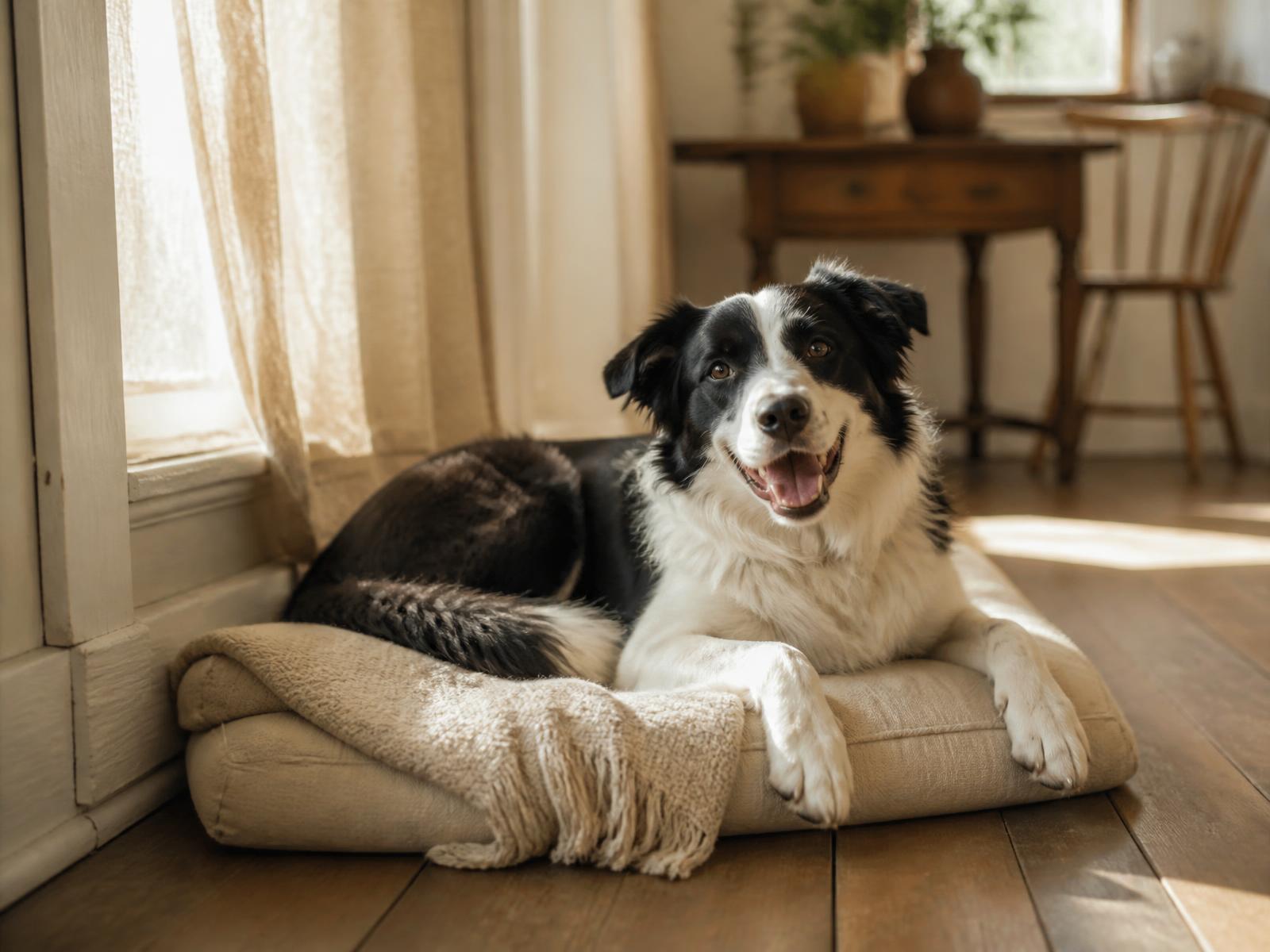
Recovery is slow, quiet work. It happens in small increments: a little more appetite, a little more weight on the leg, a little more interest in the day. Dawn keeps animals comfortable and confined as their veterinarian has instructed, watches for the changes that matter, and keeps their owners informed.
Why recovery is hard to do at home
Most recovery plans ask for something households aren't built for: strict rest. Eight weeks of no stairs, no jumping, no running to the door when someone knocks. One enthusiastic greeting can undo a repair.
Here, restricted activity is simply how the day is arranged. Confinement is comfortable rather than punitive, floors are manageable, and nobody is competing for attention with a household in full swing.
Following your veterinarian, not replacing them
Care is carried out according to the written discharge and recovery instructions from your animal's veterinarian: medication schedules, activity restrictions, incision checks, feeding changes, sling or harness use, appointment timing.
All Species Animal Care does not diagnose, prescribe or treat. Your animal remains under the direction of their own veterinary team throughout the stay, and anything outside the plan goes back to them.
Recovery takes as long as it takes
A German Shepherd recovering from TPLO surgery stayed five weeks. His owner's public review describes what came home: weight lost, leg strength regained, the surgery fully healed.
Long recoveries are ordinary here. If your veterinarian says six weeks, plan for six weeks, and nobody will be nudging you toward the door.
What to send with them
Discharge paperwork, a written medication list with doses and times, their usual food, their bed or a familiar blanket, and your veterinarian's contact details. If there are upcoming appointments during the stay, say so in your care request.
All Species Animal Care provides boarding and supportive animal care and is not a substitute for veterinary diagnosis or treatment. Animals requiring veterinary attention should remain under the direction of their veterinarian.
Reviews
Trusted with what matters most.
For many families, leaving an animal in someone else's care is the hardest part of treatment, recovery or travel. These are the words of people who have done it.
5.0 on Google5 reviews
Dawn is nothing short of amazing! She cared for my 7 year old German Shepard after TPLO surgery on his back leg. Recovery time is long and she kept him for 5 weeks. He shed extra pounds, regained his leg strength, and completely healed from the surgery under her amazing care. He adores her and she clearly loved him back!! She's the best!!
No words for how lucky I feel to have found Dawn Gillette and All Species Animal Care. Recommended by UCDavis, she is a former vet tech who does medical boarding for animals post surgery or those with ongoing treatment needs. Works with multiple rescues and also takes in animals that have been evacuated from the fires. My dog will be with her for 8 weeks recovering from TPLO surgery. Horses, cows, goats, sheep, cats, dogs, chickens, ducks, geese, alpacas, llamas and donkeys - the place is a veritable ark!
Other care
Long-Term Boarding
For animals staying while their families travel, move, deploy or navigate an extended chapter of life.
Read moreSpecial-Needs & Senior Care
Individualized care for animals whose age, mobility, routine or health make a traditional kennel difficult.
Read moreMulti-Species Care
Dogs and cats are only part of the story. Ask Dawn about your animal, whatever it is.
Read more
How care works
A simple way to get started.
You may already be managing more than you can hold. This part should be easy.
- 01
Tell Dawn about your animal
A short care request: who they are, what they need, and the dates you're considering. Write as much or as little as you like.
- 02
Dawn reviews their needs
Every animal and every situation is different. Dawn looks at the details before confirming care, so nobody arrives somewhere that isn't right for them.
- 03
Coordinate the stay
Dates, veterinary instructions, medications, feeding routines, emergency contacts, and any transportation you need to arrange.
- 04
Leave them somewhere you trust
Your animal settles into care built around their routine and their circumstances, not around a schedule that was set before they arrived.

Request care
They deserve somewhere you can feel good about leaving them.
Tell Dawn about your animal, what they need, and the dates you're considering. Every care request begins with understanding the animal first.